
History of Stick Fighting sport Delving into the profound legacy of South African stick fighting, also known as “Nguni stick fighting” or “Umshiza,” offers a captivating journey into the cultural tapestry of Southern Africa. Originating among the Nguni people, predominantly the Xhosa and Zulu tribes, this martial art embodies a rich heritage steeped in tradition and history.
Stick fighting, an African sport originating from the Nguni people, showcases their rich cultural heritage. The Nguni people, a collection of Bantu ethnic groups predominantly located in southern Africa, encompass tribes such as the Zulu, Xhosa, Swazi, and Ndebele, among others. While these tribes share linguistic and cultural similarities, they each possess distinct identities and histories. Beyond the well-known tribes, the broader Nguni category includes others like the Ngoni, Mpondo, Mpondomise, Bhaca, and Thembu, primarily distributed across South Africa, Swaziland, Zimbabwe, and Mozambique, collectively sharing linguistic and cultural ties.
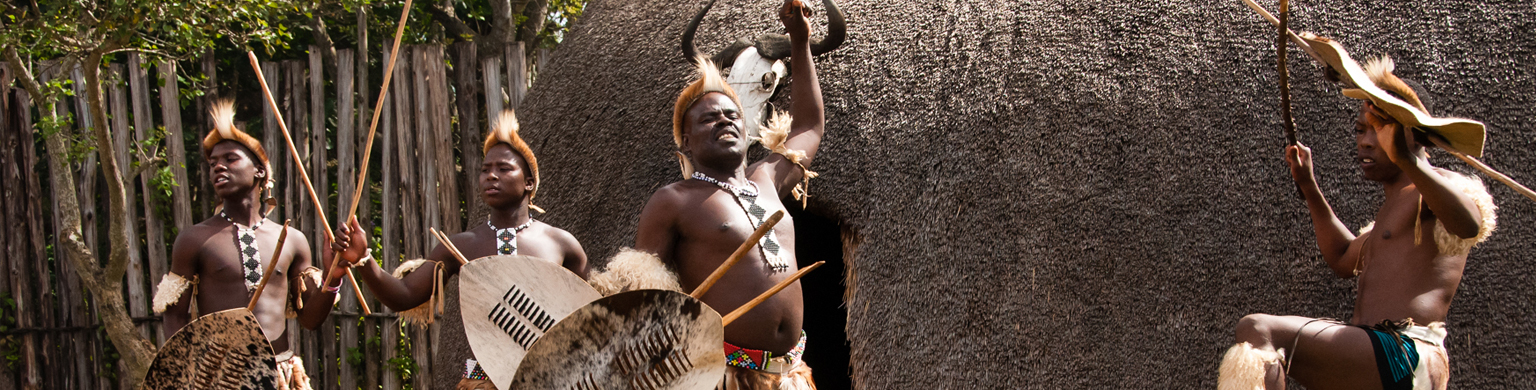
Evidence suggests that stick fighting predates written records, with archaeological findings and oral traditions pointing to its existence for centuries. Early encounters with European explorers and settlers in the 17th and 18th centuries documented the practice, shedding light on its prevalence and significance within Nguni society.
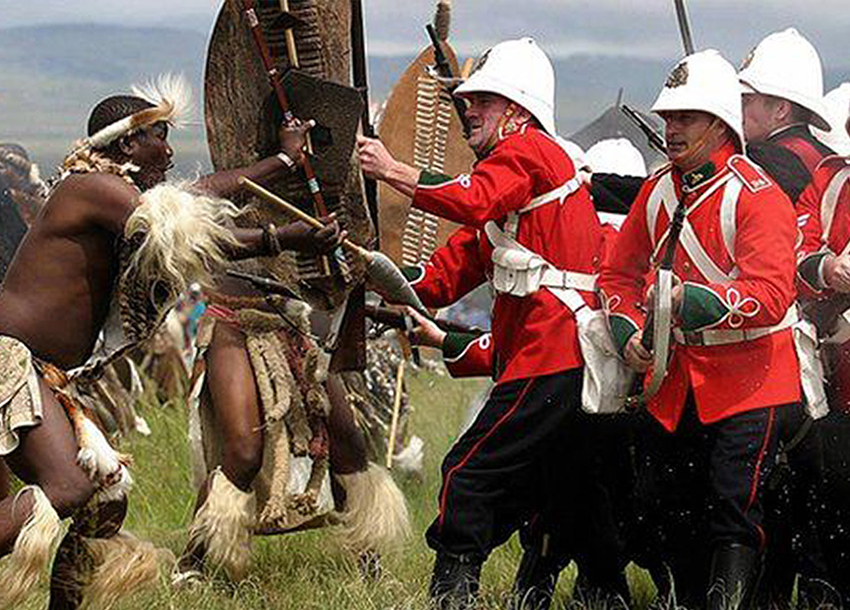
Vika Wethu Championship aims to slightly innovate the traditional stick fighting format and equipment by introducing a safer and lighter fighting stick, referees and some safety measures such as mouth guards and a fighting ring with a standardized diameter. The ring may be drawn on the floor at amateur levels but will be replaced by an actual rubber mat at professional levels
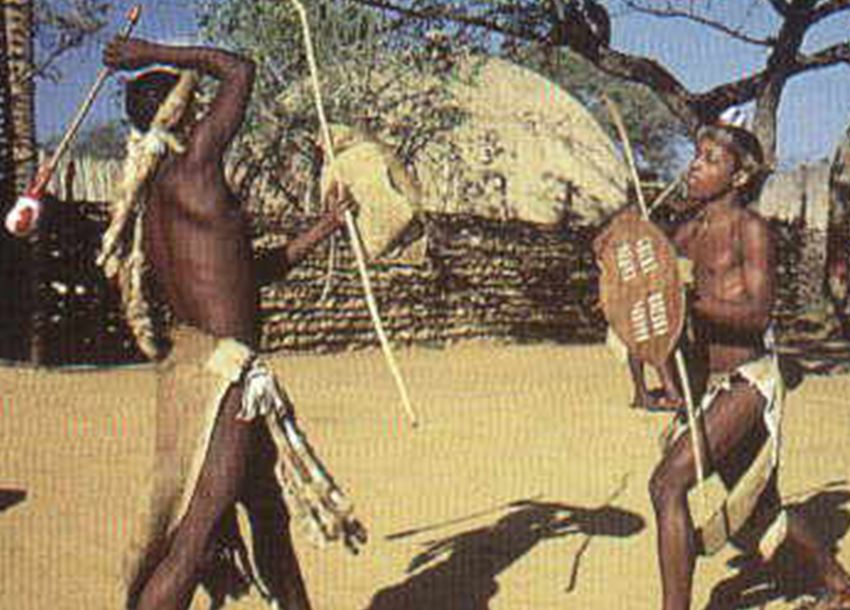
Central to the fabric of Nguni culture, stick fighting holds multifaceted significance beyond its martial aspects. It serves as a vehicle for transmitting ancestral knowledge and fostering camaraderie among participants.
Young men undergo rigorous training and initiation rites, symbolizing their transition to adulthood and readiness for societal responsibilities. Stick fighting events also provide occasions for community cohesion, celebration, and the reaffirmation of cultural identity.
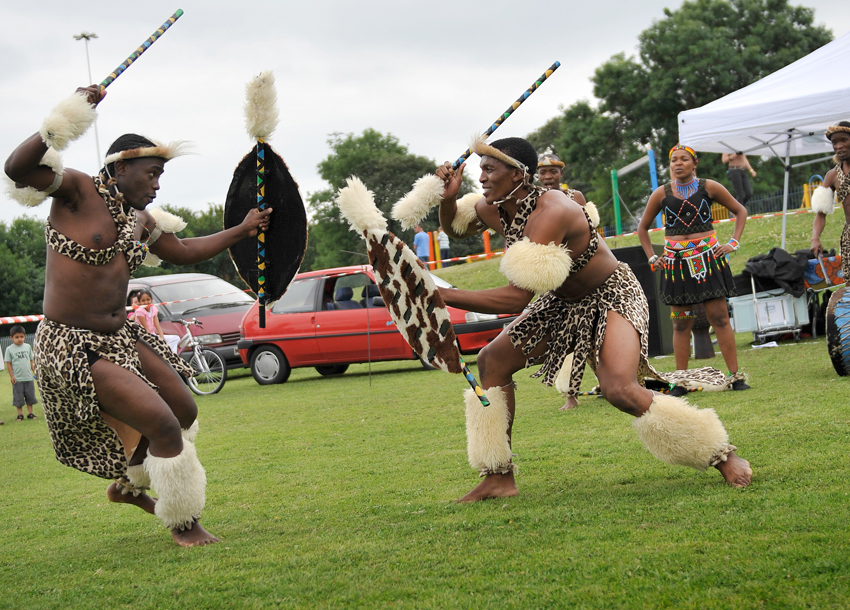
Vikawethu championships
Earliest evidence of stick fighting among Nguni communities, intertwined with hunting and warfare practices.
European explorers and settlers document encounters with Nguni warriors engaged in stick fighting, highlighting its role in indigenous societies.
Stick fighting gains prominence as a means of resolving disputes and maintaining social order within Nguni communities, despite colonial pressures.
With the advent of colonialism and apartheid, stick fighting experiences periods of suppression and marginalization, yet persists as a resilient cultural tradition.
Revival efforts and cultural initiatives promote the preservation and recognition of South African stick fighting as a valuable intangible inheritance.